
The Electric Vehicle Industry: Direction, Disruption, and the Road Ahead
Understanding the Sector’s Momentum and What Comes Next

The electric vehicle (EV) industry is no longer a speculative frontier. It has moved beyond early adoption and entered a phase defined by scale, competition, infrastructure expansion, and technological acceleration.
In the United States — and globally — electrification is reshaping not only how vehicles are powered, but how they are designed, manufactured, sold, and integrated into daily life.
This is no longer a transition.
It is an industrial transformation.
1. From Disruption to Industrialization
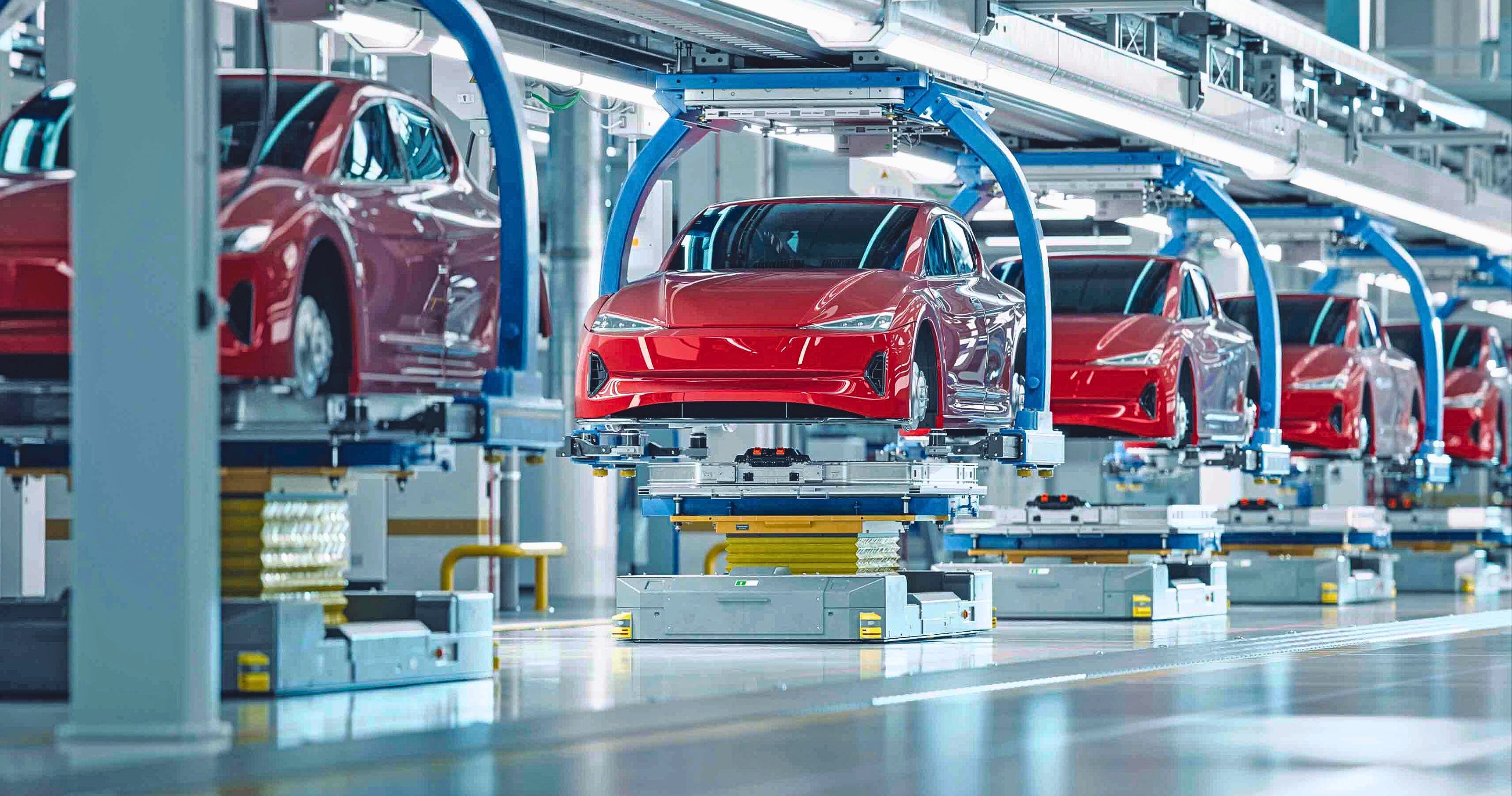
A decade ago, EVs were viewed as technological experiments. Limited range, sparse charging networks, and high battery costs restricted adoption.
Today, the landscape looks dramatically different:
-
300+ mile range is becoming standard
-
Charging speeds are rapidly increasing
-
Production capacity is scaling domestically
-
Traditional automakers are committing billions to electrification
The industry is entering what analysts often call the industrialization phase — where electrification shifts from innovation-led growth to volume-driven competition.
2. Battery Technology: The Core Battleground
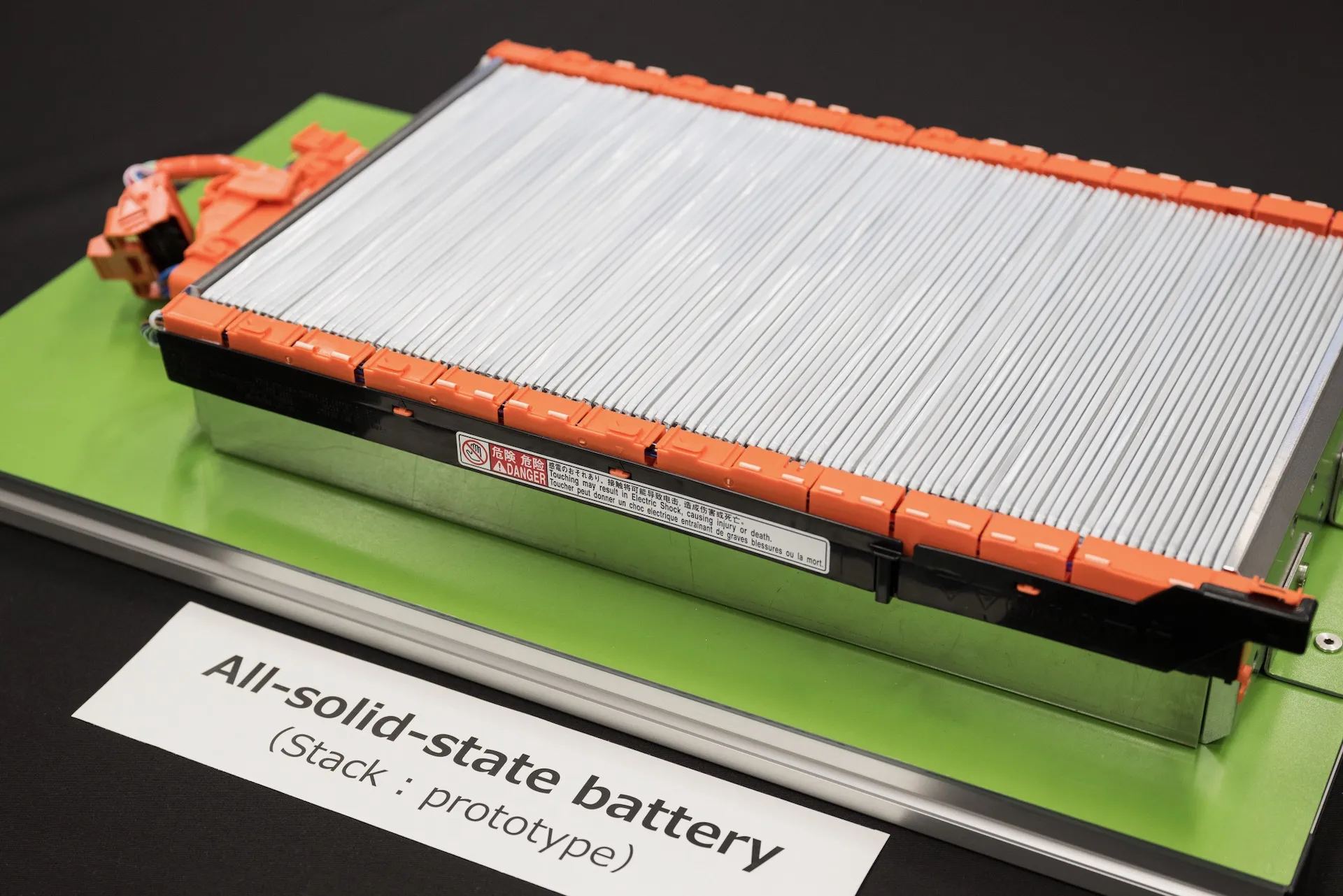
The future of the EV sector hinges on battery evolution.
Key Industry Shifts:
🔋 Cost Reduction
Lithium-ion battery costs have declined dramatically over the past decade. Scale and chemistry improvements continue pushing costs downward.
⚡ Energy Density Improvements
Higher energy density means longer range without increasing pack size or weight.
🔬 Solid-State Research
Solid-state batteries promise:
-
Faster charging
-
Higher energy density
-
Improved safety
Battery innovation will determine long-term competitiveness across brands.
3. Charging Infrastructure: From Anxiety to Optimization

Range anxiety is gradually being replaced by charging optimization.
In the U.S., public fast-charging networks are expanding along highways and in urban hubs. Meanwhile, home charging remains the dominant daily solution for most EV owners.
Emerging developments include:
-
Ultra-fast 350kW stations
-
Plug-and-charge technology
-
Network interoperability
-
Smart grid integration
Charging is evolving from a barrier into an ecosystem advantage.
4. SUV and Pickup Electrification
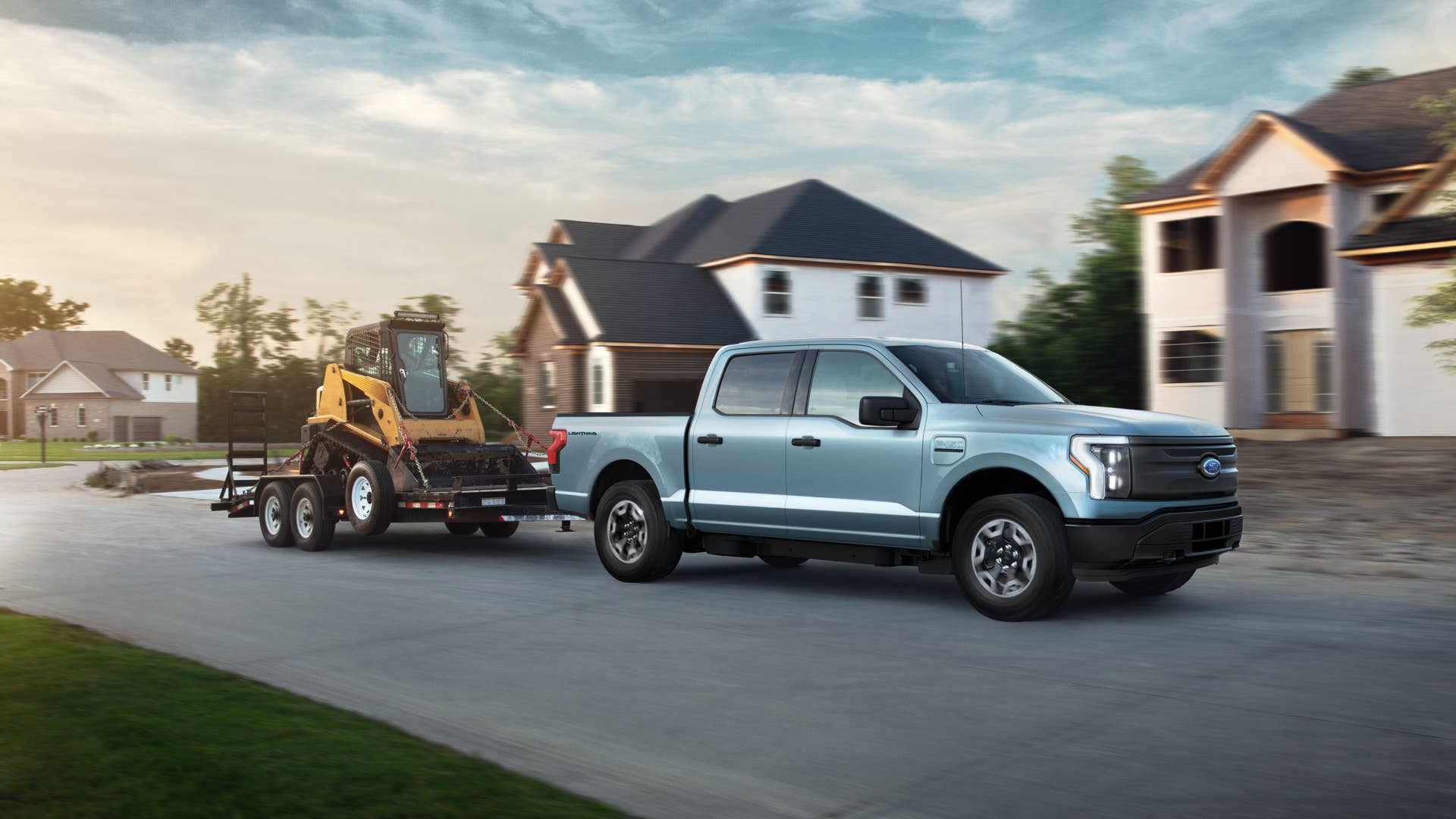
Electrification is no longer limited to compact sedans.
The American market has clearly signaled its preference:
-
Electric SUVs dominate sales
-
Electric pickup trucks are gaining traction
-
Three-row EVs are expanding family appeal
Large battery packs enable strong torque delivery even in heavier vehicles, while aerodynamic engineering preserves efficiency.
EVs are adapting to consumer demand — not the other way around.
5. The Rise of Software-Defined Vehicles
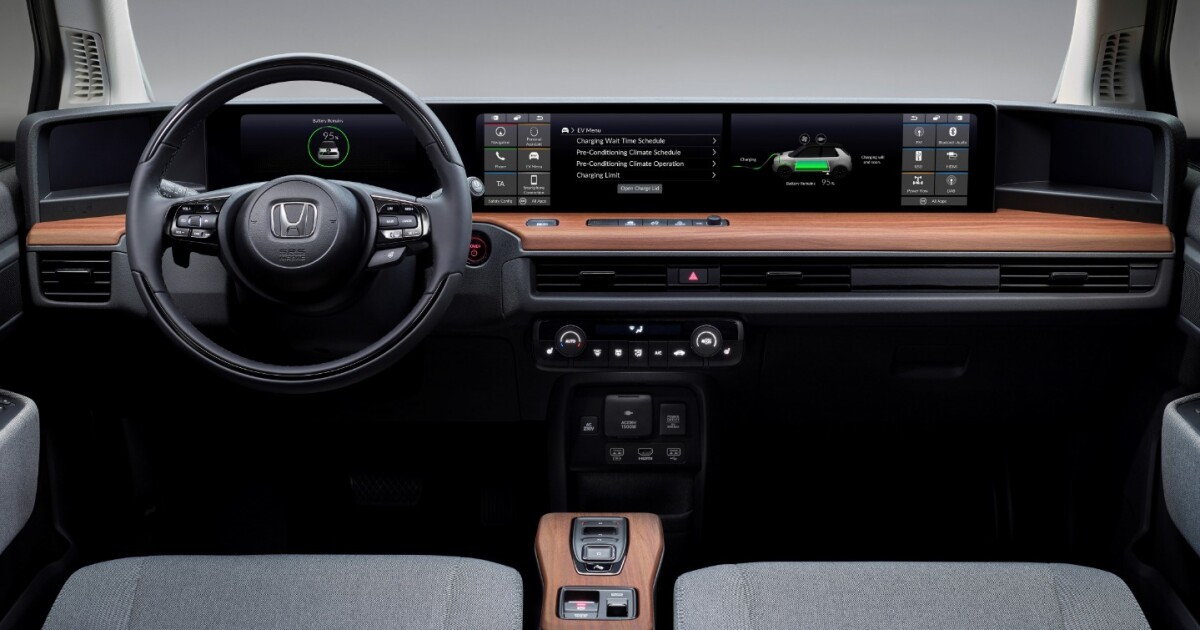
Perhaps the most profound shift is digital.
Modern EVs are increasingly:
-
Software-driven platforms
-
Continuously updated via over-the-air systems
-
Integrated with advanced driver assistance technologies
-
Connected to mobile ecosystems
This transforms vehicles into evolving technology platforms rather than static machines.
Future revenue models may rely as much on software as hardware.
6. Manufacturing, Policy, and Supply Chains

Government incentives and trade policies continue shaping the EV sector.
In the United States, tax credits and domestic sourcing requirements are influencing battery plant construction and supply chain localization.
Manufacturers are:
-
Investing in North American battery production
-
Securing long-term lithium and nickel contracts
-
Realigning global logistics strategies
Electrification is not only technological — it is geopolitical.
7. Interior Evolution and Thermal Considerations

As EVs evolve, so does their design language.
Many modern electric vehicles emphasize:
-
Expansive windshields
-
Panoramic glass roofs
-
Large digital displays
-
Minimalist dashboard layouts
While visually stunning, these features increase solar exposure and cabin heat buildup — especially in warmer regions.
Thermal management, battery conditioning, and interior material protection will play increasingly important roles in long-term EV ownership.
8. What the Next Decade May Bring

Looking ahead, the EV sector may see:
-
Widespread price parity with combustion vehicles
-
Early commercialization of solid-state batteries
-
Expanded autonomous driving integration
-
Smarter grid-connected charging systems
Electric vehicles will no longer be alternatives — they will simply be standard mobility.
Final Reflection
The electric vehicle industry is entering its most competitive and transformative phase.
Success will depend not only on propulsion systems but on:
-
Battery innovation
-
Infrastructure integration
-
Software ecosystems
-
Manufacturing scale
-
Intelligent interior design
The future of mobility is electric — but it is also digital, connected, and increasingly engineered around user experience.

