
The 15 Hottest Cities for Parked Cars in America
A State-by-State Look at Where Your Car Interior Heats Up the Fastest
Across the United States, summer heat can turn a parked car into an oven. When sunlight enters through the windshield, it heats surfaces like dashboards, seats, and steering wheels. This trapped heat quickly raises the interior temperature far beyond the outside air.
On hot days, the inside of a parked vehicle can reach 130–170°F (54–77°C) within an hour.
Some cities experience these conditions more intensely than others due to climate, sunlight exposure, and urban infrastructure. Below are 15 U.S. cities where parked cars heat up the fastest.
1. Phoenix, Arizona

Phoenix is widely considered the hottest major city in the United States. Summer temperatures regularly exceed 110°F (43°C), and clear desert skies allow uninterrupted sunlight to heat parked vehicles throughout the day.
Climate factors:
-
extremely low humidity
-
intense solar radiation
-
large asphalt parking areas
-
long summer days
Typical summer high: 106–115°F (41–46°C)
2. Las Vegas, Nevada
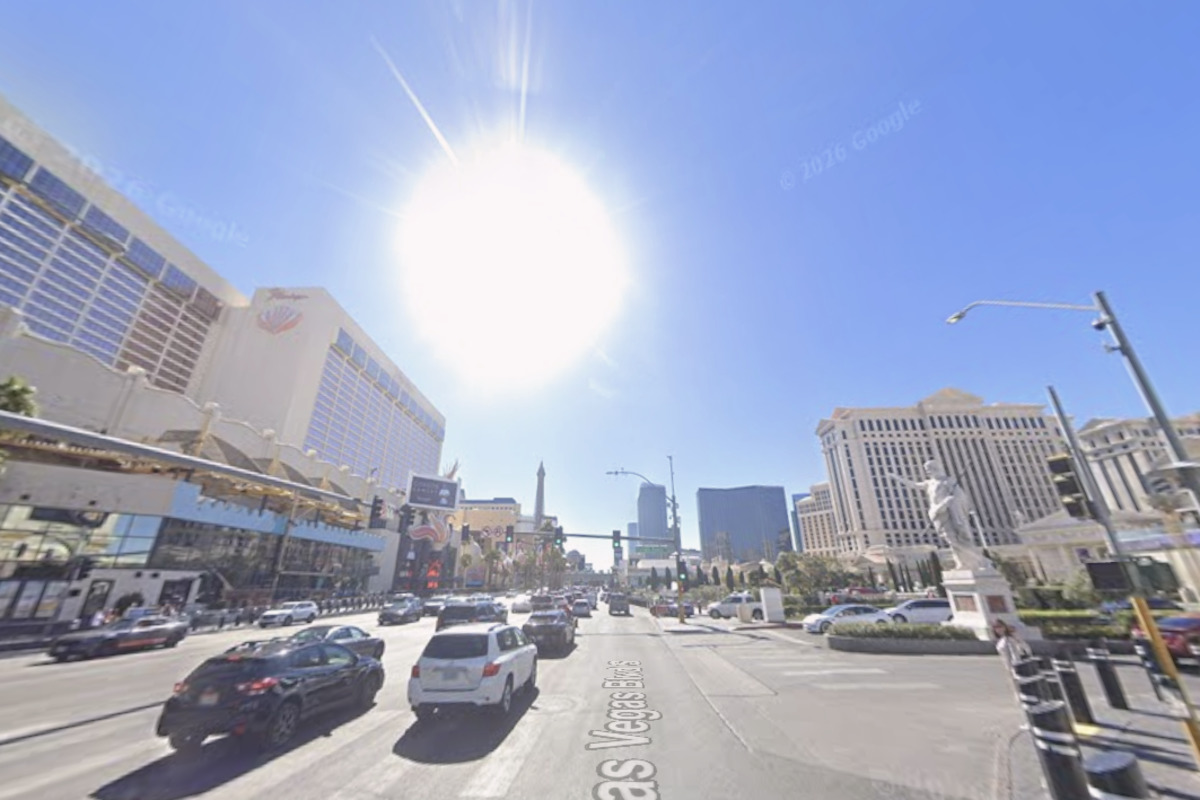
Las Vegas combines desert heat with large urban infrastructure. Massive parking lots around casinos, malls, and resorts expose vehicles to direct sunlight for long periods.
Climate factors:
-
desert climate with minimal cloud cover
-
large open parking areas
-
reflective heat from asphalt and buildings
-
high summer temperatures
Typical summer high: 104–112°F (40–44°C)
3. Tucson, Arizona
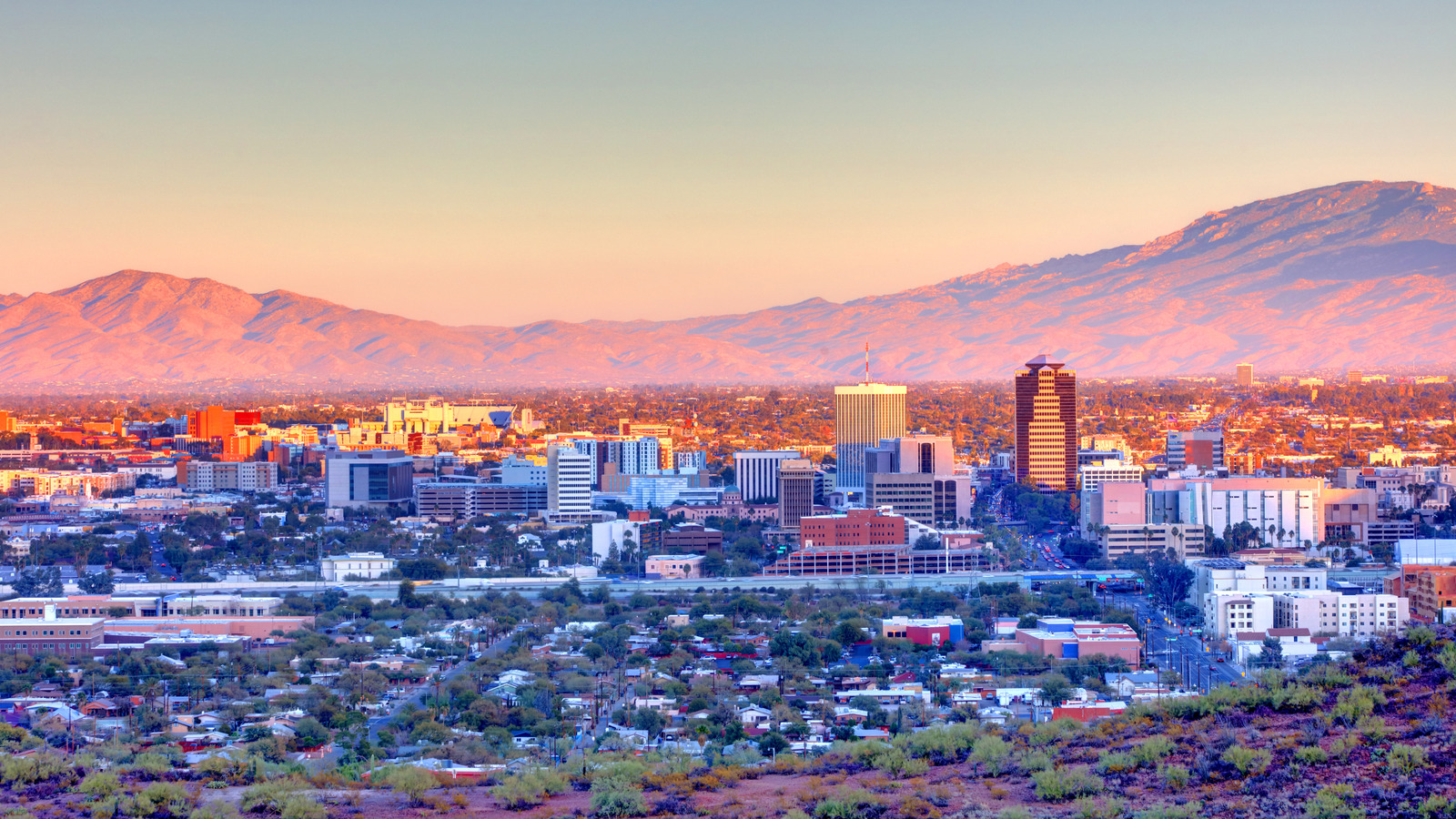
Tucson experiences similar desert conditions to Phoenix, with dry air and strong sunlight that allow interior temperatures in parked vehicles to rise rapidly.
Climate factors:
-
extremely dry desert air
-
prolonged sunlight exposure
-
high daytime temperatures
-
limited natural shade in urban areas
Typical summer high: 100–108°F (38–42°C)
4. Palm Springs, California

Palm Springs is one of the hottest locations in California. Surrounded by desert terrain, the city experiences extremely high summer temperatures and strong sunlight.
Climate factors:
-
extreme desert heat
-
strong solar radiation
-
minimal cloud cover
-
heat reflecting from desert terrain
Typical summer high: 105–115°F (40–46°C)
5. Dallas, Texas
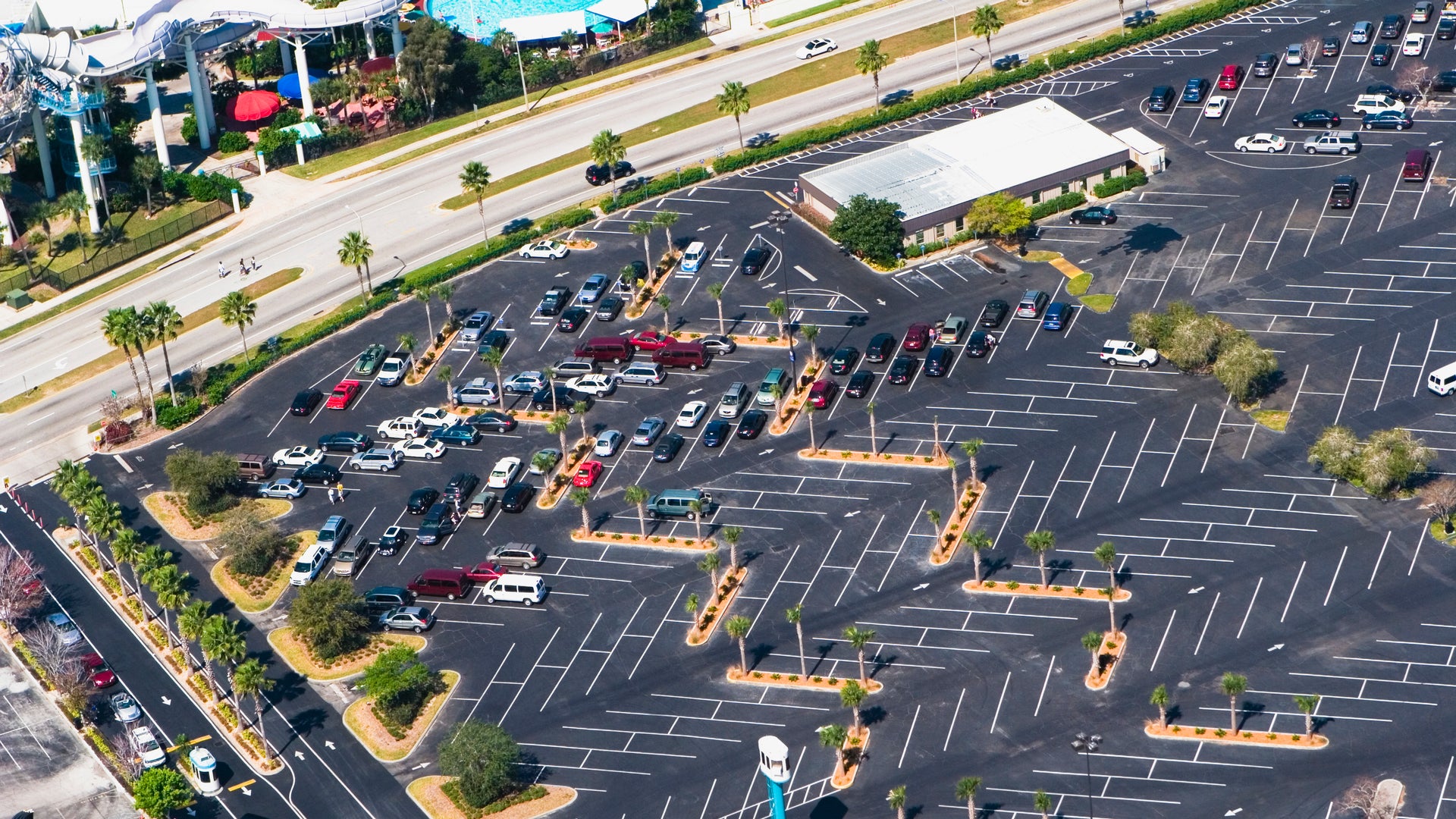
Dallas experiences long, hot summers with temperatures frequently exceeding 100°F. Large commercial parking areas and suburban development increase sun exposure for parked vehicles.
Climate factors:
-
strong summer sunshine
-
large urban parking lots
-
high daytime temperatures
-
extended summer heat waves
Typical summer high: 95–103°F (35–39°C)
6. Houston, Texas
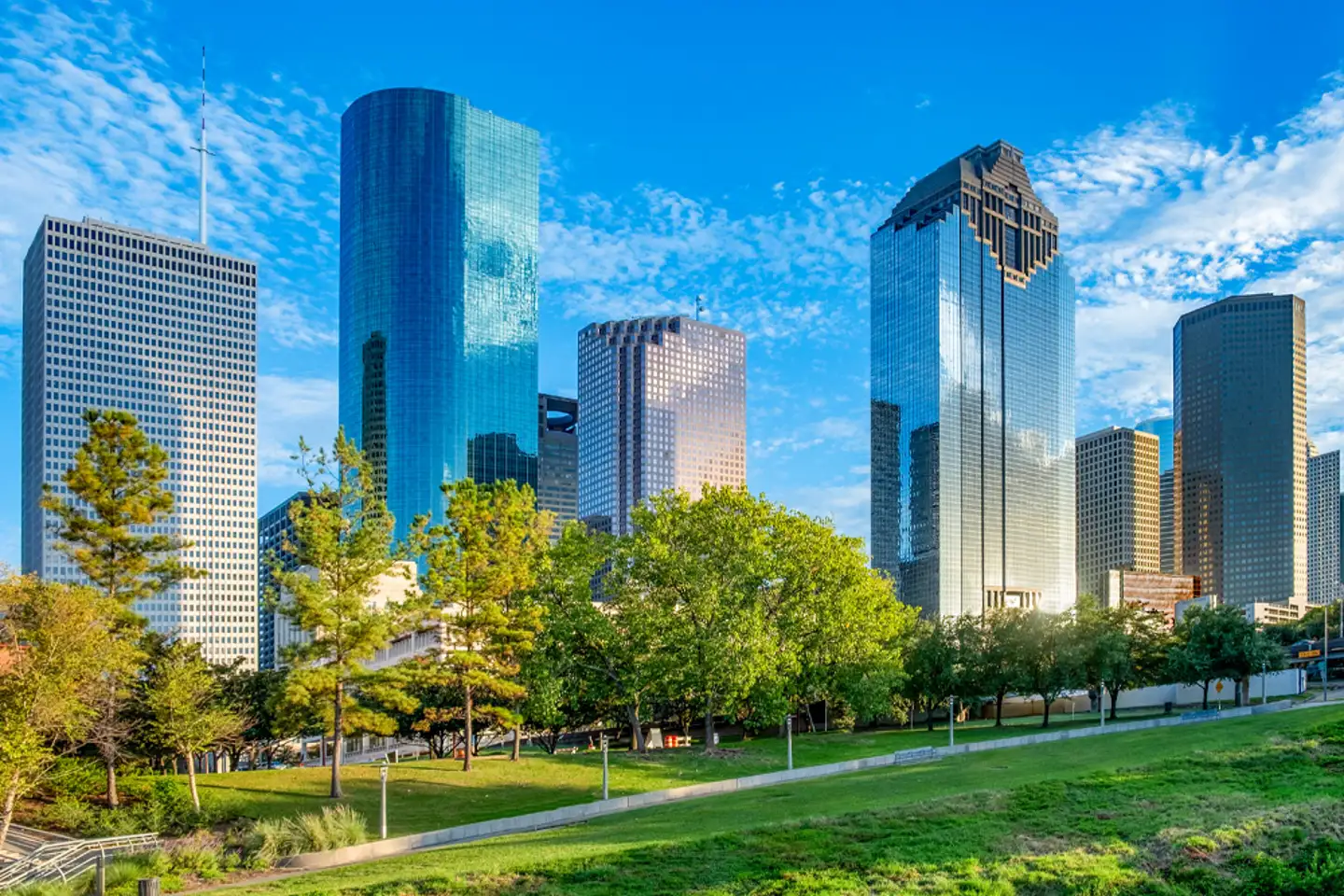
Houston’s combination of strong sunlight and high humidity creates heavy and uncomfortable heat conditions inside parked cars.
Climate factors:
-
humid subtropical climate
-
intense sunlight
-
high summer temperatures
-
large paved parking areas
Typical summer high: 90–98°F (32–37°C)
7. San Antonio, Texas

San Antonio regularly experiences heat waves during summer months, with clear skies and strong sunlight increasing the temperature inside parked vehicles.
Climate factors:
-
long summer seasons
-
strong solar exposure
-
frequent heat waves
-
limited shade in large parking areas
Typical summer high: 95–102°F (35–39°C)
8. Miami, Florida

Miami’s tropical climate brings intense sunshine throughout most of the year. Although temperatures may not reach desert extremes, the combination of strong sunlight and high humidity makes parked cars feel extremely hot.
Vehicles left in direct sunlight can quickly trap heat inside the cabin, creating uncomfortable interior conditions.
Climate factors:
-
strong year-round sunshine
-
humid tropical climate
-
limited shade in many urban areas
-
reflective heat from pavement and buildings
Typical summer high: 88–93°F (31–34°C)
9. Orlando, Florida

Orlando experiences intense sunlight during the summer months, with long days and high humidity contributing to heat buildup inside parked vehicles. Large parking areas around theme parks and entertainment complexes often leave cars exposed to direct sun for hours.
Climate factors:
-
strong summer sunshine
-
humid subtropical climate
-
very large open parking areas
-
long daylight hours during summer
Typical summer high: 90–95°F (32–35°C)
10. Austin, Texas

Austin’s summers are known for their persistent heat and intense sun exposure. As the city has grown, large commercial areas and parking lots have increased the amount of paved surface that absorbs and radiates heat.
Climate factors:
-
strong direct sunlight
-
frequent summer heat waves
-
large urban parking lots
-
high daytime temperatures
Typical summer high: 95–103°F (35–39°C)
Why Cars Heat Up So Fast
A parked car heats up because of the greenhouse effect.
Sunlight enters through the glass and heats interior surfaces such as:
-
dashboards
-
steering wheels
-
seats
-
center consoles
These surfaces then radiate heat inside the cabin, causing temperatures to rise quickly.
Studies show a parked vehicle can become 40–60°F hotter than the outside temperature within an hour.
Protecting Your Car From Extreme Heat
Drivers in hot climates often take simple precautions to reduce heat buildup:
-
parking in shaded areas
-
slightly opening windows
-
using seat or steering wheel covers
-
placing a windshield sunshade when parking outdoors
A reflective windshield sunshade blocks sunlight before it reaches the dashboard and interior surfaces, helping keep the cabin cooler.
Magnelex windshield sunshades are designed to reflect sunlight and reduce heat buildup inside parked vehicles. For drivers in hot climates like Arizona, Texas, and Florida, a quality sunshade can help protect interior materials and make entering the car far more comfortable during summer months.

